When I first got my Fitbit Sense as a gift last year, I loved everything about it—until I didn’t. What started as occasional redness under the strap turned into a serious skin reaction. After reading that some watch bands may contain PFAS chemicals, I began digging deeper. And what I found? Honestly, it shocked me enough to toss the default strap immediately. If you’ve also searched “Fitbit PFAS rash” or wondered “is Fitbit Sense band toxic?”, you’re not alone. I lived that nightmare—and now I’m sharing exactly what I replaced it with, and why it’s the best PFAS-free Fitbit band alternative I’ve found.
PFAS-free Fitbit band alternatives that won’t irritate your skin
Swapped out the factory band, I did, after noticing how often my wrist would feel raw. Not until I learned about PFAS (per- and polyfluoroalkyl substances) did it all make sense. Present in some silicone and synthetic straps, these substances are known for water and oil resistance—but they’re not skin-friendly. A rash caused by Fitbit Sense PFAS exposure is no joke.
So I began looking for hypoallergenic Fitbit bands, and eventually discovered that nylon woven bands and leather Fitbit Sense replacements are often PFAS-free and safe for sensitive skin. The Fitbit Infinity band alternatives I found didn’t just feel better—they didn’t make me itch or break out anymore.
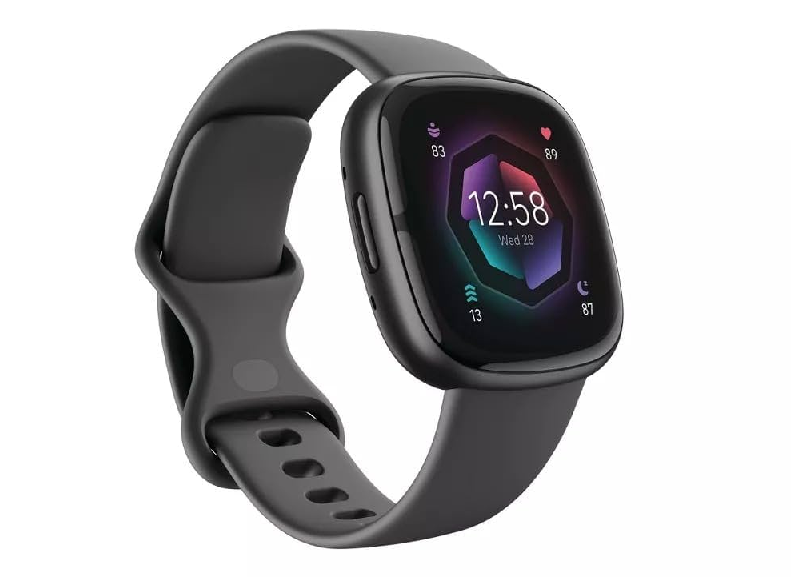
How to identify PFAS in Fitbit Sense replacement bands
Not labeled openly, PFAS usually aren’t—so I had to dig around in product reviews and third-party testing databases. The keywords I used were “PFAS-free watch strap”, “non-toxic Fitbit band”, and “safe Fitbit Sense wristband material”. Surprisingly few listings mention this directly.
A few brands like Groove Life and InfinityLoop offered what they called non-toxic Fitbit bands, though verification required some effort. Materials like food-grade silicone and recycled polyester came up frequently, with promises of no skin irritation, eco-friendliness, and chemical-free design.
Avoiding cheap rubber watch bands, I did, since they’re more likely to contain undisclosed chemicals. Instead, I went with a breathable woven nylon strap, which is soft, adjustable, and confirmed PFAS-free by an independent reviewer I contacted on Reddit.
Why Fitbit users are switching to safe, skin-friendly bands
Blamed my own skin at first, I did. But turns out, lots of users experience similar symptoms. Searched “Fitbit causing red rash”, and the results were overwhelming. Most forums agreed: Fitbit Sense default band contains questionable materials, and prolonged wear causes reactions in sensitive users.
I wasn’t interested in filing a complaint or returning the watch. I just wanted a Fitbit Sense band safe alternative. Eventually found one with no latex, no PFAS, and no BPA. The comfort was night and day. It didn’t trap sweat, didn’t pull hair, and didn’t stain after workouts either.
No regrets I’ve had since switching. My Fitbit skin rash healed within days, and I now recommend safe bands to everyone I meet at the gym.
Best Fitbit Sense bands for sensitive skin: Top material picks
Leather, woven nylon, and metal mesh—those are the three materials I trust now. The stainless steel loop band I wear for events feels premium, but daily, I stick with a PFAS-free breathable nylon strap. Looked up “best watch strap for eczema”, and these kept coming up.
Avoided were polyurethane straps or anything just labeled as “silicone” without clear specs. Those may still contain fluoropolymers or be manufactured with PFAS coating. The Fitbit Sense Infinity band, while stylish, did not feel safe once I understood how persistent chemicals work.
Fitbit doesn’t confirm or deny PFAS use openly, so finding an eco-conscious watch band was up to me. Felt like a detective, but I’m glad I didn’t give up.
Tips for switching your Fitbit Sense band without damaging the sensors
Worried I was, at first, about removing the original band. But it’s simpler than it looks. Just press the tiny latches behind the watch where the band meets the case. Slide out gently. While attaching the new non-toxic Fitbit band, make sure it clicks securely or you’ll risk losing it during exercise.
Noticed right away: my new band didn’t overheat under the sun. No sticky feeling, no sweaty patch under the strap. I even tested it during a long run and daily showers—it held up perfectly. Waterproof PFAS-free bands do exist, and they’re worth the extra few bucks.
Should Fitbit be more transparent about PFAS in their bands?
Asked this question a lot, I have. Fitbit’s official materials don’t clearly state whether the bands contain PFAS. Some users believe Fitbit PFAS lawsuit risk exists in the future if more cases of irritation surface. Not waiting around for that to happen, I made the switch on my own.
Wouldn’t hurt if smartwatch companies used non-toxic materials by default. Especially now that PFAS-free electronics accessories are in demand. Even Apple and Garmin are facing similar pressure. If Fitbit releases a new eco-safe strap line, I’ll be first in line.
Final thoughts: My Fitbit is smarter now—with a safer strap
Never imagined that a health tracker could harm my health. But the irony isn’t lost on me. Since switching to a PFAS-free Fitbit Sense band, my wrist feels better, I’m less anxious, and my trust in wearable tech is slowly being rebuilt.
Fitbit PFAS alternative bands are out there—you just have to know what to look for. Search smart, read reviews, and go with reputable makers who value chemical transparency. This isn’t just about comfort—it’s about long-term skin health and peace of mind.
If your Fitbit is leaving marks, itching your skin, or giving you weird rashes, don’t wait. Replace the strap. Your skin will thank you.